How do you know which of your people will succeed in bigger roles? Many organizations simply promote their best performers. However, today’s top performer is not always tomorrow’s best leader. In this article, we look at what really sets high potential employees apart and how to identify them.
A Lesson from the Soccer Field
With the FIFA World Cup approaching, I have spent a lot of time remembering my primary school years, when I was sure I would grow up to be a professional soccer player. I spent countless hours (or at least countless in the eyes of an 8-year-old) kicking a ball against my garage door. I was confident that soon I would be scoring goals in front of thousands of cheering fans. Needless to say, I did not go pro. Still, I sometimes wonder whether a little more natural talent, assertiveness or plain practice would have gotten me there.
Three Factors That Separate High Potential Employees
In my work as a consultant, I have found that the same three factors separate high potential employees from those best suited to their current role:
- Natural ability: how quickly a person learns and solves new problems.
- Personality: work behaviors such as drive, influence and adaptability.
- Hard work: the effort and persistence to keep growing.
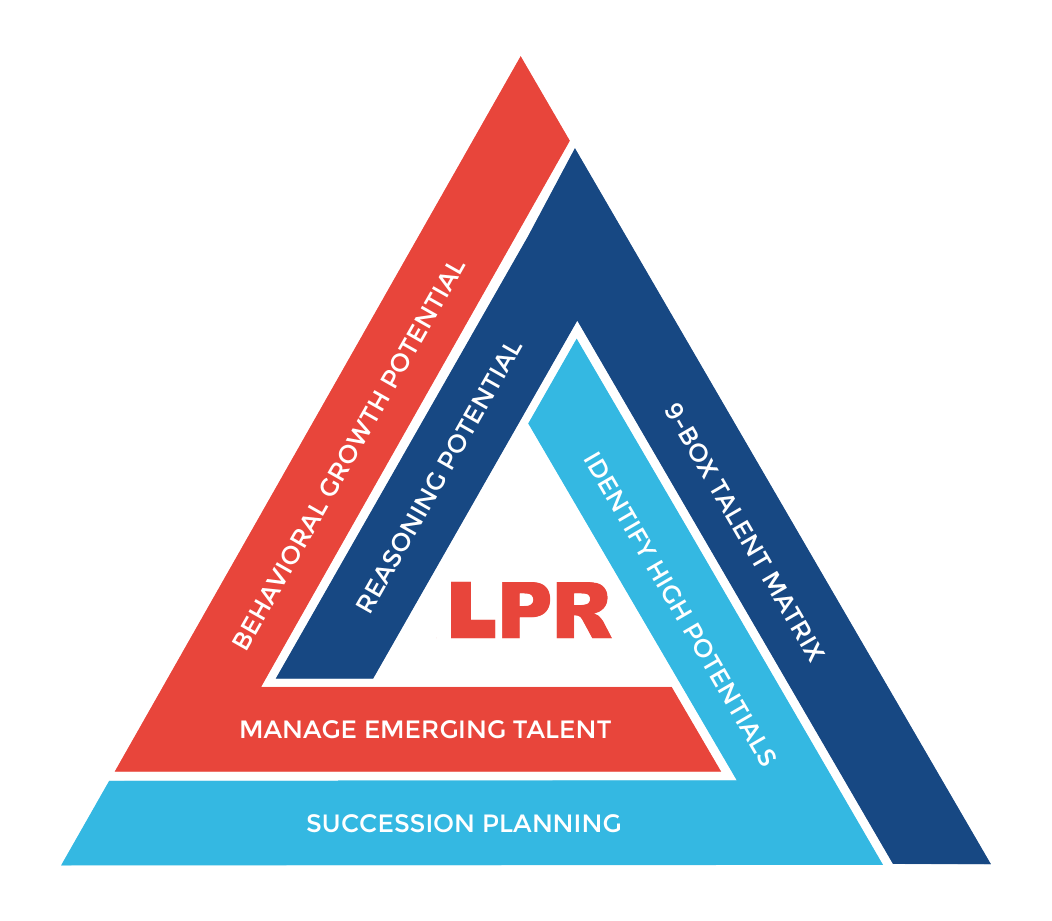
Potential Is Not the Same as Performance
The key word is potential, which is fundamentally different from performance. Current performance is just one of many factors to weigh when judging whether someone can advance. In fact, strong performers in technical roles sometimes struggle once they must lead others. For this reason, organizations need a separate, objective measure of potential.
How to Identify High Potential Employees Objectively
AAI developed the Leadership Potential Report (formerly the Advancement Potential Inventory) to help organizations identify the employees most likely to succeed in manager and executive roles. It combines measures of cognitive ability and work behaviors linked to growth into one composite score. Then, it compares each person’s results with the ability levels and behaviors of successful leaders across industries. As a result, you can invest limited development resources where they will pay off most.
Just as in finance, no investment is a “sure thing.” Even so, the right indicators can give your organization a real competitive edge. To go deeper, read our guide on identifying and developing leadership potential, see how the nine-box grid is used in talent reviews, or contact us to get started.
